How to Speed Up Windows Without Upgrading Hardware
A slow Windows computer can be frustrating, especially when it affects productivity, gaming, or everyday tasks. Many users assume that the only solution is upgrading hardware such as adding more RAM or replacing the hard drive with an SSD. While hardware upgrades can help, they are not always necessary. In many cases, Windows performance issues are caused by software-related problems, misconfigured settings, or system clutter.
The good news is that you can significantly speed up Windows without upgrading hardware by optimizing the operating system, managing startup programs, cleaning unnecessary files, and adjusting system settings. This guide will walk you through proven methods to make your Windows PC faster, smoother, and more responsive using built-in tools and safe optimization techniques.
Why Windows Slows Down Over Time
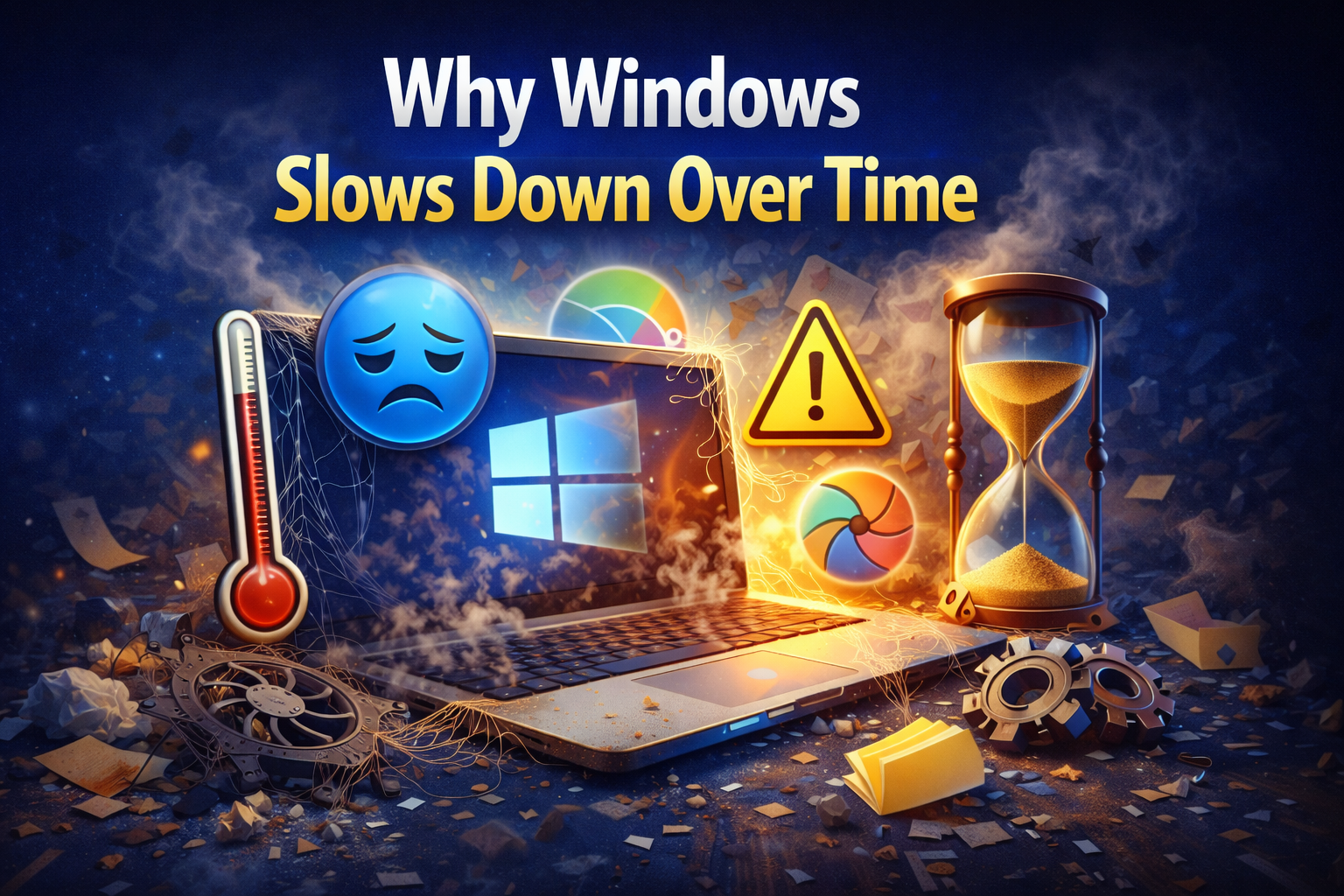
Before applying fixes, it’s important to understand why Windows performance degrades over time:
- Too many startup programs running in the background
- Accumulated temporary files and system junk
- Outdated or problematic drivers
- Background services consuming system resources
- Malware or unwanted software
- Visual effects and animations using extra CPU and RAM
Addressing these issues can restore performance without spending money on new hardware.
1. Disable Unnecessary Startup Programs
One of the most effective ways to speed up Windows is to reduce the number of programs that start automatically when your computer boots.
How to Disable Startup Programs:
- Press Ctrl + Shift + Esc to open Task Manager
- Go to the Startup tab
- Review the list of programs
- Right-click unnecessary apps and select Disable
What to Disable:
- Game launchers
- Chat apps you don’t use frequently
- Third-party updaters
- Media players
Disabling unnecessary startup programs reduces boot time and frees up system resources immediately.
2. Clean Temporary Files and System Junk
Over time, Windows accumulates temporary files, cache data, and leftover installation files that slow down performance.
Use Disk Cleanup:
- Press Windows + S, search for Disk Cleanup
- Select your system drive (usually C:)
- Check items such as:
- Temporary files
- Recycle Bin
- Thumbnails
- Windows Update cleanup
- Click OK and confirm deletion
Use Storage Sense (Windows 10/11):
- Go to Settings > System > Storage
- Enable Storage Sense
- Click Configure Storage Sense and customize cleanup options
Cleaning junk files frees disk space and improves system responsiveness.
3. Uninstall Unused Programs and Apps
Unused software can run background services, consume disk space, and slow down Windows.
How to Uninstall Programs:
- Open Settings > Apps > Installed apps
- Sort apps by size or install date
- Remove programs you no longer need
Focus on:
- Trial software
- Old utilities
- Duplicate applications
Keeping only essential programs helps Windows run faster and cleaner.
4. Adjust Visual Effects for Better Performance

Windows includes animations, shadows, and visual effects that look nice but consume system resources.
Optimize Visual Effects:
- Press Windows + R, type
sysdm.cpl, press Enter - Go to the Advanced tab
- Under Performance, click Settings
- Select Adjust for best performance
- Or manually disable effects like animations and shadows
This change can significantly improve performance on older or low-spec PCs.
5. Keep Windows and Drivers Updated
Outdated system files and drivers can cause performance issues and system instability.
Update Windows:
- Open Settings > Windows Update
- Click Check for updates
- Install available updates and restart if needed
Update Drivers:
- Use Device Manager to check for driver updates
- Focus on:
- Graphics drivers
- Network drivers
- Chipset drivers
Updated drivers often improve performance, compatibility, and stability.
6. Optimize Power Settings
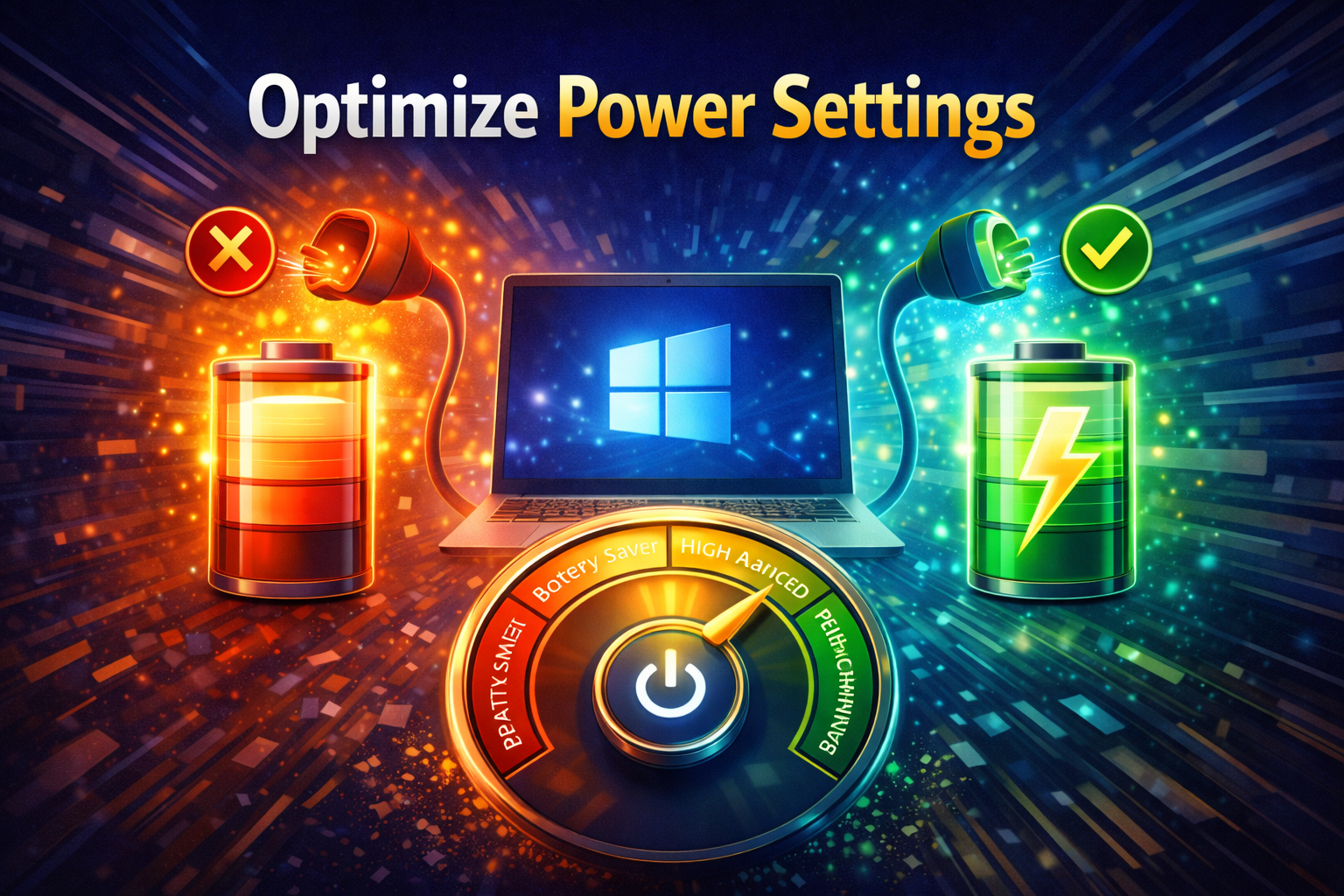
Windows power plans can limit performance, especially on laptops.
Change Power Plan:
- Open Control Panel > Power Options
- Select High performance or Best performance
- On Windows 11, go to:
- Settings > System > Power & battery
- Set Power mode to Best performance
This ensures your CPU and system resources are not unnecessarily restricted.
7. Scan for Malware and Unwanted Software
Malware and potentially unwanted programs (PUPs) can severely slow down Windows by running hidden processes.
Use Windows Security:
- Open Windows Security
- Go to Virus & threat protection
- Click Quick scan or Full scan
Remove any detected threats. Keeping your system clean from malware is critical for maintaining speed and security.
8. Limit Background Apps and Services
Many apps continue running in the background even when you’re not using them.
Disable Background Apps:
- Go to Settings > Apps
- Select an app
- Open Advanced options
- Set Background app permissions to Never
Review Background Processes:
- Use Task Manager
- Identify apps using high CPU, memory, or disk usage
- End unnecessary tasks carefully
Reducing background activity frees up system resources.
9. Use Built-in Performance Troubleshooters
Windows includes troubleshooters that can automatically detect and fix performance-related issues.
How to Run Troubleshooters:
- Open Settings > System > Troubleshoot
- Click Other troubleshooters
- Run relevant tools, such as:
- Program Compatibility Troubleshooter
- Windows Update Troubleshooter
These tools can resolve hidden issues affecting performance.
10. Check Disk Health and File System Errors
Disk errors can slow down Windows and cause freezes or crashes.
Use Check Disk:
- Open Command Prompt as Administrator
- Type:
chkdsk C: /f - Restart your computer if prompted
This scans and repairs file system errors that may impact performance.
11. Use System File Checker (SFC)
Corrupted system files can slow down Windows and cause unexpected behavior.
Run SFC:
- Open Command Prompt as Administrator
- Type:
sfc /scannow - Wait for the scan to complete
SFC repairs corrupted Windows files and improves system stability.
12. Reduce Browser Resource Usage
Web browsers are among the biggest resource consumers on Windows.
Tips to Optimize Browsers:
- Remove unnecessary extensions
- Limit open tabs
- Enable built-in performance or memory-saving modes
- Keep your browser updated
Using lighter browser settings can noticeably improve system speed.
13. Restart Your PC Regularly
Many users rarely restart their computers, allowing background processes and memory usage to accumulate.
Why Restarting Helps:
- Clears RAM
- Resets background services
- Applies updates properly
Restarting once every few days can keep your system running smoothly.
14. Reset Windows (Last Resort Without Hardware Upgrade)
If your system remains slow despite all optimizations, resetting Windows can restore performance.
Reset While Keeping Files:
- Go to Settings > System > Recovery
- Click Reset this PC
- Choose Keep my files
This removes apps and resets settings while preserving personal data.
Conclusion
Speeding up Windows without upgrading hardware is not only possible—it is often highly effective. By disabling unnecessary startup programs, cleaning junk files, optimizing visual effects, managing background apps, updating drivers, and using built-in Windows tools, you can restore your PC’s performance and responsiveness.
These software-based optimizations cost nothing and can extend the life of your existing hardware. Whether you are using an older laptop or a budget desktop, following the steps in this guide will help you enjoy a faster, smoother, and more efficient Windows experience—without spending money on new components.
